Tensions between the United States and Iran have escalated once again, with both sides signalling readiness for renewed conflict as a fragile ceasefire approaches its expiration.
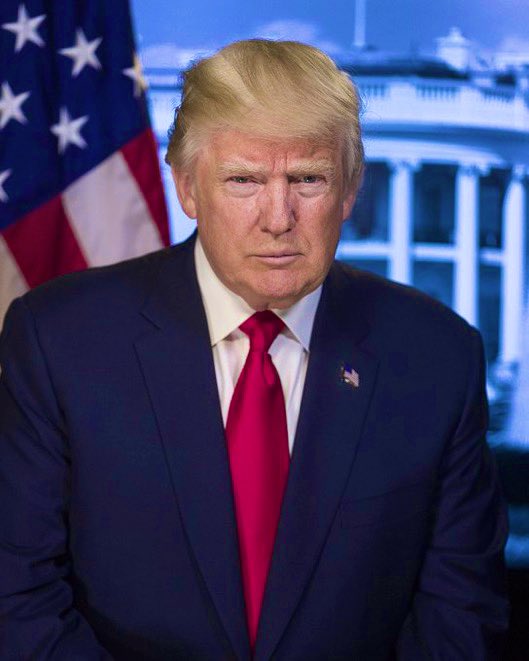
Uncertainty surrounds the fate of proposed peace talks reportedly set to resume in Pakistan, an initiative earlier announced by Donald Trump. While Washington indicated that Vice President JD Vance was prepared to travel to Islamabad for negotiations, Tehran has yet to confirm its participation.
Iranian officials have accused the United States of undermining the truce, citing a blockade of its ports and the seizure of a vessel. Speaking on the situation, Iran’s parliament speaker, Mohammad Bagher Ghalibaf, said the US actions were an attempt to force Iran into submission.
“We do not accept negotiations under the shadow of threats,” he stated, adding that Iran had been preparing to respond if hostilities resumed.
The situation has been further complicated by rising tensions in the Strait of Hormuz, a critical global oil route. Iran’s Revolutionary Guards warned they could target vessels attempting to pass through the strait without approval, while Washington accused Tehran of harassing ships in the same waters.
The strategic channel, which handles a significant portion of the world’s oil shipments, has become a focal point in the standoff. Reports suggest that despite the blockade, several Iranian-linked vessels have continued to move through the area.
President Trump, in a series of public statements, maintained that US pressure on Iran would continue until a deal is reached, particularly over Tehran’s controversial nuclear programme. He also warned that failure to extend the ceasefire could trigger fresh violence.
“If the ceasefire expires, then lots of bombs start going off,” Trump said in an interview, adding that extending the truce was “highly unlikely.”
Despite the tense rhetoric, global markets showed cautious optimism, with oil prices dipping slightly amid hopes that diplomacy might still prevail.
Meanwhile, the conflict’s ripple effects are being felt across the Middle East. A separate ceasefire between Israel and Lebanon has also come under strain, with sporadic violence continuing and fresh diplomatic talks scheduled in Washington.
Read Also;
Iran Declines Fresh US Talks as Tensions Rise Over Naval Clash and Blockade
Back in Iran, residents say life remains uncertain despite the temporary lull in fighting. Many describe worsening economic conditions and lingering fears over what may come next.
At the heart of the dispute remains Iran’s stockpile of enriched uranium, a key sticking point in negotiations. While the US insists on strict limits, Tehran has rejected any suggestion of transferring its reserves, insisting the issue was never part of the talks.
With the ceasefire deadline fast approaching, the path forward remains unclear—leaving the region, and much of the world, on edge.