The Nigerian Supreme Council for Islamic Affairs (NSCIA) has called on religious leaders across the country to prioritise truth, fact-checking and responsible communication in order to curb the spread of misinformation and disinformation.
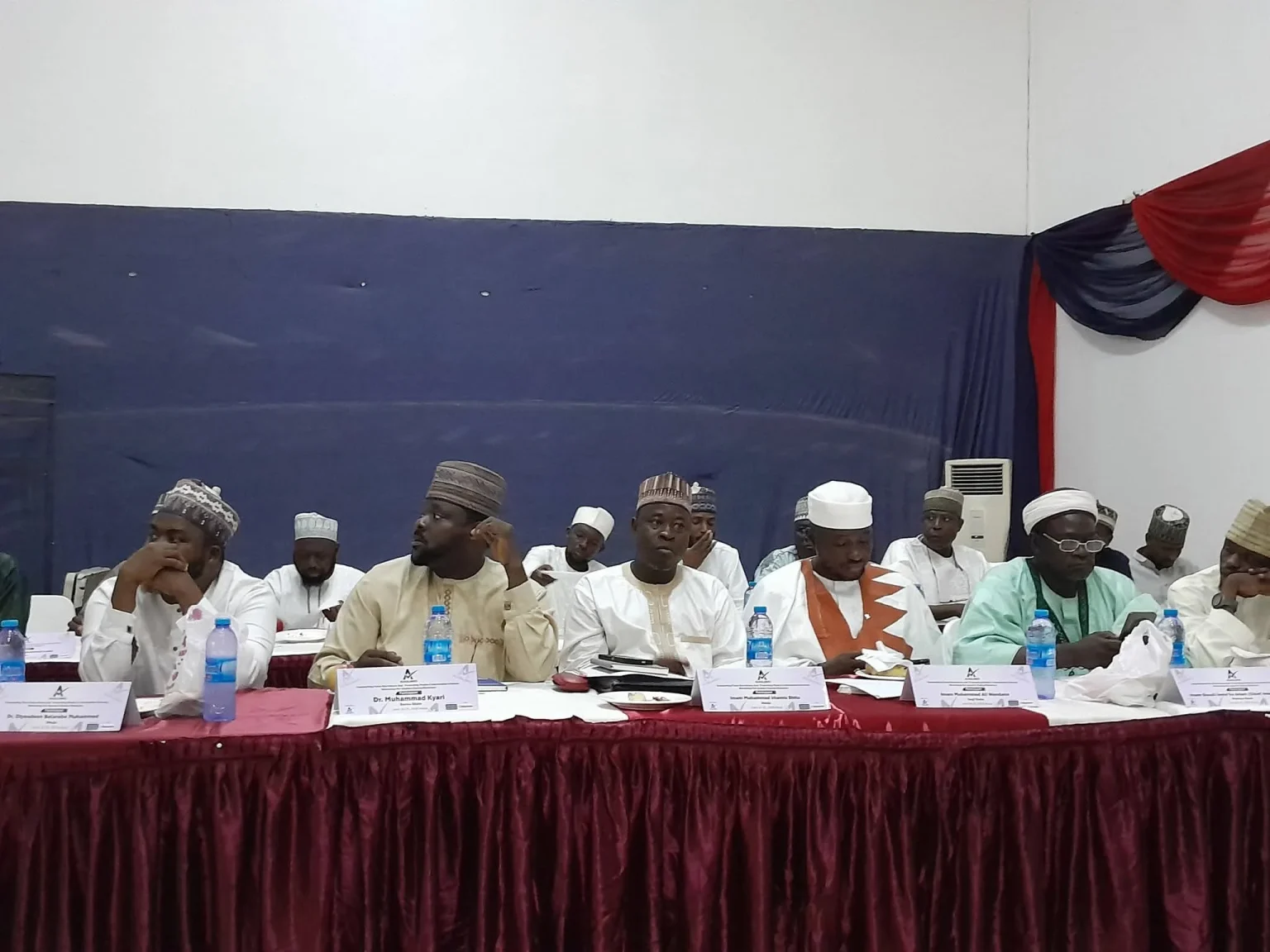
Speaking at a workshop in Abuja on Wednesday, the Secretary-General of the NSCIA, Prof. Is-haq Oloyede, stressed the need for Islamic clerics to verify information before passing it on to their congregations and the wider public.
Represented by the council’s Public Affairs Officer, Abbas Jimoh, Oloyede noted that false information has become a major challenge in society, contributing to communal conflicts, religious tensions and growing mistrust among citizens.
He said rumours and unverified reports often spread faster than factual information, creating divisions and causing real harm in communities.
According to him, misinformation and disinformation have been responsible for misunderstandings among different groups, weakened public trust and, in some cases, escalated insecurity and violence across the country.
Oloyede emphasised that religious leaders occupy positions of trust and influence, making them critical stakeholders in the fight against falsehood.
“Millions of Nigerians listen to their religious leaders every week through sermons, lectures and community engagements. As trusted voices, they are uniquely positioned to encourage verification, critical thinking and responsible communication,” he said.
He added that the importance of verifying information is clearly rooted in Islamic teachings, citing Surah Al-Hujurat, Verse 6 of the Holy Qur’an, which instructs believers to confirm information before acting on it.
The NSCIA secretary-general urged clerics to promote a culture where people verify information before sharing it and seek evidence before making judgments.
“Religious leaders must become champions of truth, peace and informed citizenship. By encouraging people to verify information and avoid spreading unconfirmed reports, they contribute to social harmony, national unity and sustainable development,” he stated.
Also speaking at the event, the Secretary-General of the Jama’atu Nasril Islam (JNI) and Chief Imam of the National Mosque, Prof. Khalid Abubakar Aliyu, advised clerics to remain apolitical and always ensure that information is verified before it is shared.
Read Also:
Amotekun Arrests 46 Suspects Across Ondo, Recovers Stolen Items from Ex-Speaker’s Home
He also appealed to politicians not to manipulate or entice religious leaders for political purposes.
“Religious leaders should respect their calling, remain neutral and focus on guiding people spiritually rather than misleading them. Politicians should also fear God and avoid putting clerics in compromising situations,” he said.
Earlier, the convener of the workshop and Editor of Alkalanci, Alhassan Bala, said the programme was timely, especially as political activities ahead of the 2027 general elections begin to gather momentum.
He warned that election periods often witness a rise in misinformation, disinformation and foreign attempts to influence public opinion through misleading content.
Bala also drew attention to the growing threat posed by artificial intelligence-generated content, including deepfake videos, images and audio recordings.
He said the workshop was designed to equip religious leaders with the knowledge and tools needed to identify false information and protect their communities from manipulation.
According to him, strengthening awareness among clerics will help reduce the impact of fake news and ensure that communities receive accurate and reliable information.